
Retail & e-commerce engineering
Why converting your shopify store into a mobile app is essential for e-commerce success
In the rapidly evolving world of e-commerce, staying ahead of the curve is crucial. One of the most effective ways to do this is by converting your…
By Grapefruit teamPublished Updated 5 min read

In this article
What Does It Mean to Convert Your Shopify Store into a Mobile App?
Before diving into the details, let's define what we mean by "converting your Shopify store into a mobile app". Essentially, this process involves creating a dedicated mobile application that mirrors your existing Shopify store but offers a more streamlined, user-friendly experience for your customers. This app can be downloaded onto smartphones or tablets, allowing customers to shop directly from the app instead of through a mobile browser.
But why is this important? And is it worth the investment? Let's explore these questions.
Why a Mobile App for Your Shopify Store?
You might wonder, "Why should I convert my Shopify store into a mobile app?" The answer lies in two key metrics that are crucial for the success of any e-commerce business: Average Order Value (AOV) and Customer Lifetime Value (LTV).
Higher Average Order Value (AOV)
- Seamless Shopping Experience: A mobile app provides a faster and more intuitive shopping experience than a mobile website. Customers can easily browse, add items to their cart, and check out in just a few clicks, often leading to larger purchases.
- Increased Sales Opportunities: With features like saved payment information and personalized product recommendations, a mobile app makes it easier for customers to make impulse purchases, directly boosting your AOV.
Increased Customer Lifetime Value (LTV)
- Constant Brand Presence: When your app is on a customer's device, your brand is always visible, encouraging repeat visits and purchases. This constant presence can significantly increase LTV.
- Personalized Experience: Mobile apps can offer personalized experiences based on customer behavior, such as tailored recommendations and exclusive offers, making customers more likely to return and spend more overtime.
So, is it time to consider a mobile app for your Shopify store? If your business is thriving, and you're looking to grow even further, the answer might be yes.
Different Approaches: Custom App Development vs. No-Code Solutions
When it comes to creating a mobile app for your Shopify store, you have two primary options: custom app development or using a no-code solution. Each has its own set of pros and cons.
Custom App Development
Pros:
- Fully Tailored Experience: A custom app can be built to your exact specifications, offering a unique user experience that aligns perfectly with your brand.
- Scalability: Custom apps can be designed to scale with your business, incorporating advanced features as needed.
Cons:
- High Upfront Costs: Custom app development can be expensive, requiring a significant investment in development and design.
- Longer Development Time: Building a custom app from scratch takes time, which could delay your entry into the mobile market.
No-Code App Builders
Pros:
- Cost-Effective: No-code solutions, like Shopney and Tapcart, are significantly cheaper than custom development, making them ideal for businesses looking to test the waters.
- Quick Launch: You can create and launch an app in just a few weeks, allowing you to respond quickly to market demands.
Cons:
- Limited Customization: While no-code platforms offer some customization options, they may not provide the same level of flexibility as a custom-built app.
- Dependency on Platform: You are dependent on the features and updates provided by the no-code platform, which could limit your app's growth potential.
Still weighing your options? Our digital agency can help you decide which approach is best for your Shopify store, whether it's a no-code solution or a custom-built app. Contact us for a discussion!
The Benefits and Drawbacks: What to Consider
As with any business decision, it's important to weigh the benefits against the potential drawbacks. Here's what you need to consider:
Benefits of a Mobile App for Shopify
- Higher Conversion Rates: Mobile apps tend to convert better than mobile websites, with some businesses seeing up to 12x higher conversion rates.
- Enhanced Customer Engagement: Features like push notifications allow you to engage with customers directly, promoting sales and keeping your brand top-of-mind.
- Improved Customer Experience: Apps offer a smoother, faster shopping experience, which can lead to increased customer satisfaction and loyalty.
Drawbacks to Keep in Mind
- Initial Investment: Whether you choose a no-code solution or custom development, there will be some upfront costs involved.
- Ongoing Maintenance: Mobile apps require regular updates and maintenance to keep up with new operating system versions and security standards.
Long-Term Value: Why It's Worth the Investment
When considering the cost of developing a mobile app for your Shopify store, it's essential to think about the long-term value rather than just the upfront costs. A mobile app can significantly boost your revenue by increasing AOV and LTV, which means that the investment can pay off many times over.

- Flexibility and Scalability: A well-designed app can grow with your business, offering new features and functionalities as needed. This flexibility ensures that your app remains relevant as your business evolves.
- Adapting to Technological Changes: As more consumers shift to mobile shopping, having a dedicated app ensures that your business stays ahead of the curve, meeting customers where they are.
Ready to explore the long-term benefits of a mobile app? Let's talk about how our digital agency can help you create a mobile app that delivers lasting value.
Real-World Examples: Success Stories
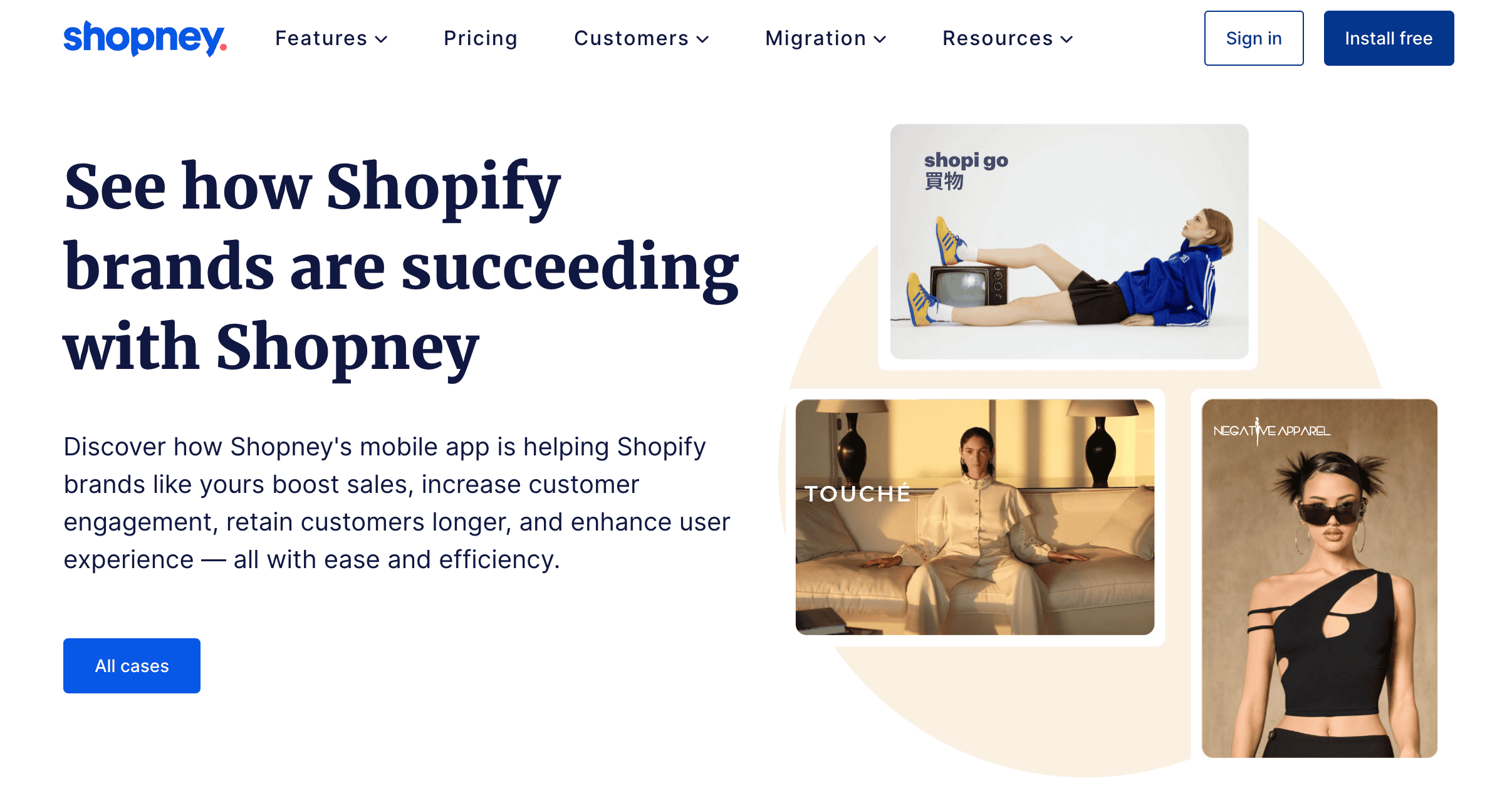
Consider the success of e-commerce businesses that have already made the leap to mobile apps. For instance, companies using no-code platforms like Shopney and Tapcart have reported significant increases in sales and customer engagement. These platforms seamlessly integrate with Shopify, allowing businesses to adapt to market demands and enhance their mobile presence quickly.
Here are some case studies from Tapcart and Shopney.

Common Concerns: Addressing Objections
It's natural to have concerns about converting your Shopify store into a mobile app. Here are some common objections and how you can overcome them:
- "Is it really worth the cost?"
While there are upfront costs, the long-term increase in AOV and LTV can make the investment worthwhile.
- "What if I'm not ready for custom development?"
Starting with a no-code app builder allows you to test the market and see the benefits without committing to a full-scale custom app.
- " Will I be able to maintain the app?"
No-code platforms often include ongoing maintenance and updates, taking the burden off your shoulders.
Conclusion: Taking the Next Step
Converting your Shopify store into a mobile app can be a game-changer for your e-commerce business, driving higher sales and deeper customer loyalty. Whether you choose a no-code solution or invest in custom development, the key is to think long-term and focus on the value that a mobile app can bring to your business.
Ready to take the next step? Contact us today to discuss how our digital agency can help you create a mobile app that aligns with your goals and drives sustained success.