
Digital maturity & transformation
Capitalizing on consumer trends in Dubai’s FMCG market: a digital-first approach
This article delves into how FMCG brands can tap into these trends through targeted digital campaigns and product innovation. Discover how partnering…
By Grapefruit teamPublished Updated 8 min read

In this article
Dubai’s FMCG consumers rapidly embrace health and wellness, sustainability, and online shopping trends. This article delves into how FMCG brands can tap into these trends through targeted digital campaigns and product innovation. We’ll highlight the role of advanced analytics and personalized marketing in understanding and meeting consumer demands. Discover how partnering with a digital agency can help you stay agile and responsive to these evolving consumer preferences, ensuring your brand remains relevant and competitive.
Dubai’s FMCG market: a dynamic digital landscape
According to recent reports, e-commerce platforms have adapted to consumer sensitivities by reducing prices, driving a notable 28% rise in consumption in the UAE (Source: NIQ). The UAE's overall retail e-commerce market is expected to hit $9.2 billion by 2026 (Source: Calibrate Commerce), reflecting the rise in online shopping and the importance of adopting a digital-first strategy.
This shift isn't just about convenience and addressing increasing consumer demands for health, wellness, sustainability, and personalization. As these trends continue to reshape the FMCG landscape, brands in Dubai must respond swiftly or risk losing market share. The key to staying relevant lies in understanding these emerging trends and leveraging digital solutions to meet the evolving expectations of Dubai’s consumers.
Grapefruit, a leading digital agency with 10 years of experience in the FMCG market, has successfully helped brands like Nestlé and NESCAFÉ Alegria navigate this complex environment by leveraging digital tools to create strong, emotional connections with consumers.
Key consumer trends shaping Dubai’s FMCG market
Understanding and acting on key consumer trends are crucial for FMCG brands looking to grow in Dubai’s competitive market. Two major trends, health & sustainability, and digital-first consumer behavior, are setting the tone for the industry's future.
Health & wellness meets sustainability.
Consumers in Dubai are becoming more health-conscious, actively seeking products that contribute to their well-being. According to Blue Weave Consulting, shifts in consumer behavior, such as an increased preference for online shopping and home cooking, have significantly boosted demand for organic foods. In 2023, the UAE Ministry of Climate Change and Environment launched a campaign to promote organic food, aiming to raise awareness about its benefits and encourage consumers to switch to organic products.
Pushing brands to innovate in areas like low-sugar, plant-based, immunity-boosting, and eco-friendly products. Alongside this, sustainability has become an essential aspect of consumer choice. As awareness around climate change grows, consumers are choosing eco-friendly brands that prioritize sustainable sourcing, reduce plastic use, and adopt environmentally friendly packaging. Notably, brands like Al Ain Farms have introduced organic dairy lines and eco-friendly packaging to tap into this shift.
Brands that combine health with sustainability are positioning themselves at the forefront of the market. For example, offering organic snacks in biodegradable packaging or promoting eco-friendly household items with natural ingredients taps into the values of the modern Dubai consumer.
Sustainability is now a fundamental expectation for many consumers. A Nielsen study shows that 73% of consumers globally would change their consumption habits to reduce their environmental impact, and this is reflected in Dubai, where sustainability is a growing consideration in purchasing decisions. For instance, Nestlé introduced biodegradable packaging in its popular food products to cater to the sustainability-conscious consumer in the region.
Digital-first consumers
As one of the most connected cities in the world, Dubai has seen a major shift towards e-commerce and mobile shopping. Consumers expect the convenience of online platforms with fast, seamless transactions.
The UAE organic food market is divided into two main distribution channels: online and offline. Online platforms have become the dominant distribution channel for organic food, largely due to the easy availability of products through e-commerce sites like Amazon.in, Flipkart, and others. The extensive variety of products offered on these platforms serves as a key driver for the growth of the online sales segment (Source: Blue Weave Consulting).
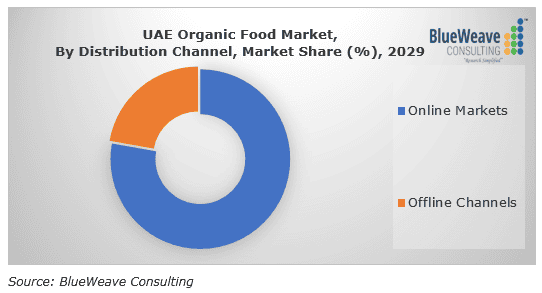
Source: Blue Weave Consulting
Brands like Carrefour UAE have invested heavily in their online platforms, offering seamless mobile shopping and same-day delivery to meet consumer demand.
Omnichannel integration is becoming essential as consumers switch between in-store and online experiences, expecting a consistent, personalized interaction with brands across all touchpoints. Meeting the expectations of digital-first consumers requires investing in digital infrastructure and offering convenience-driven services like same-day delivery or click-and-collect options.
Grapefruit’s experience creating Mattca, an e-commerce pharmaceutical platform, highlights the value of a strong digital-first approach. Mattca succeeded by offering special orders for unavailable items and an intuitive, user-friendly interface, achieving its sales objectives within six months. For Dubai’s FMCG brands, this type of integrated, consumer-friendly platform is essential to competing in the digital landscape. Read more about this case study here.
The power of personalization: using data to drive consumer engagement
In the increasingly crowded FMCG market, one-size-fits-all marketing no longer cuts it. Today’s consumers expect brands to know them and cater to their unique preferences. By leveraging data, FMCG companies can create personalized experiences that increase customer loyalty. Personalization has emerged as one of the most effective ways to engage today’s consumers, with Salesforce reporting that 84% of consumers expect brands to treat them as individuals, not numbers.
Data-driven personalization
Thanks to technological advances, brands now have access to a wealth of consumer data, from browsing history to purchase patterns. By leveraging this data, FMCG companies can segment their audiences into highly targeted groups, delivering personalized product recommendations, exclusive offers, and even content that resonates with each consumer’s lifestyle. Leveraging data to personalize marketing efforts can significantly boost engagement and conversion rates.
Procter & Gamble (P&G) has successfully utilized advanced data analytics to create hyper-targeted campaigns for its health and wellness products in the Middle East, leading to a 20% increase in regional sales. By using CRM systems and AI-driven analytics, P&G was able to tailor content based on user behavior, delivering relevant product recommendations and promotional offers.
Personalized marketing fosters long-term customer relationships. Grapefruit’s “Good Thoughts” campaign for NESCAFÉ Alegria used personalized messages on coffee cups, generating over 1 million smiles and strengthening the brand’s emotional connection with consumers.
Continuous innovation through advanced analytics: anticipating and shaping consumer preferences
Advanced analytics have become a critical tool in driving continuous innovation within the FMCG sector. For brands in Dubai, the ability to analyze consumer data in real-time allows them to stay ahead of trends and rapidly adapt to changing preferences. Brands that use predictive analytics to anticipate trends can develop new products and services that meet consumer needs before their competitors do.

Predictive analytics for market trends
Predictive analytics enable FMCG brands to anticipate future trends based on historical consumer behavior and market shifts. This proactive approach helps brands stay ahead of the curve and remain relevant in the eyes of their consumers.
By understanding what consumers want before they ask for it, brands can also reduce the risks associated with product launches. Rather than relying on guesswork, data-driven insights offer a reliable blueprint for product development, ensuring that new offerings align with market demand.
Real-time insights for product innovation
Advanced analytics don’t just predict trends; they provide real-time insights that FMCG brands can use to continually refine their products like tweaking ingredients, updating packaging, or adjusting pricing strategies based on consumer feedback. Real-time analytics also offer the flexibility to pivot quickly if a product underperforms, allowing brands to make data-driven decisions about when to revise or discontinue a product line.
We’ve also used analytics-driven approaches to help our clients innovate. For Mattca, we implemented real-time insights to understand purchasing trends, allowing the platform to optimize inventory and predict consumer preferences, resulting in increased sales and customer satisfaction.
Actionable steps for FMCG brands: implementing a digital-first approach
To thrive in Dubai’s fast-evolving FMCG market, brands must take a proactive, digital-first approach. Here are some practical steps to get started:
1. Build Your E-Commerce Presence: Establish a user-friendly, mobile-optimized online store to ensure seamless customer experiences. Ensure fast-loading pages, a seamless checkout experience, and multiple payment options.
2. Invest in Consumer Data Platforms: Utilize CRM systems and analytics tools to collect and analyze customer data and tailor offerings to meet emerging trends.
3. Leverage Influencers & Social Media: Collaborate with influencers on platforms like Instagram and TikTok to enhance brand visibility. Influencers can help amplify your message, particularly in the health and wellness space.
4. Use Personalization to Enhance Customer Experience: Implement AI-powered recommendation engines that provide tailored product suggestions based on user behavior. This personal touch can increase engagement and sales. The Traiestecugust.ro platform we built for Nestlé Romania does this effectively, using consumer profiling to deliver personalized content across 30+ Nestlé brands and 320+ products into one digital presence. This platform not only created an online image for emerging brands but also leveraged loyalty and profiling systems to deepen customer engagement. This digital-first approach is a model that Dubai brands can emulate to integrate health and sustainability under one comprehensive platform. Learn more about this case study here.
5. Collaborate with Delivery Partners: Ensure fast, reliable delivery services to meet the growing consumer demand for convenience. Partner with local delivery services to offer same-day or next-day delivery options, similar to Carrefour UAE’s successful model.
Looking ahead: preparing for the next wave of digital disruption
The future of Dubai’s FMCG market lies in embracing emerging technologies like artificial intelligence (AI), augmented reality (AR), and voice search. AI can enhance personalization, while AR will enable consumers to virtually try products before purchase. Voice search will streamline the buying process, making it easier for consumers to discover and purchase products through smart devices.
The brands that thrive in Dubai’s competitive FMCG market will be those that embrace digital-first strategies and stay ahead of technological advancements.
We understand the challenges and opportunities that come with navigating Dubai’s dynamic market. Our experience with leading FMCG and pharmaceutical brands shows that embracing a digital-first approach, driven by data and personalization, is the key to long-term success. We’ve helped brands like Nestlé and Mattca achieve their digital goals, and we’re ready to help you do the same.
Ready to stay ahead in Dubai’s FMCG market? Contact us today to explore how we can help your brand thrive.
From our projects
Nestlé Romania · Consumer Brands & Retail
Nestlé Romania: traiestecugust.ro unites every brand in one content, loyalty and profiling platform
Read the case study →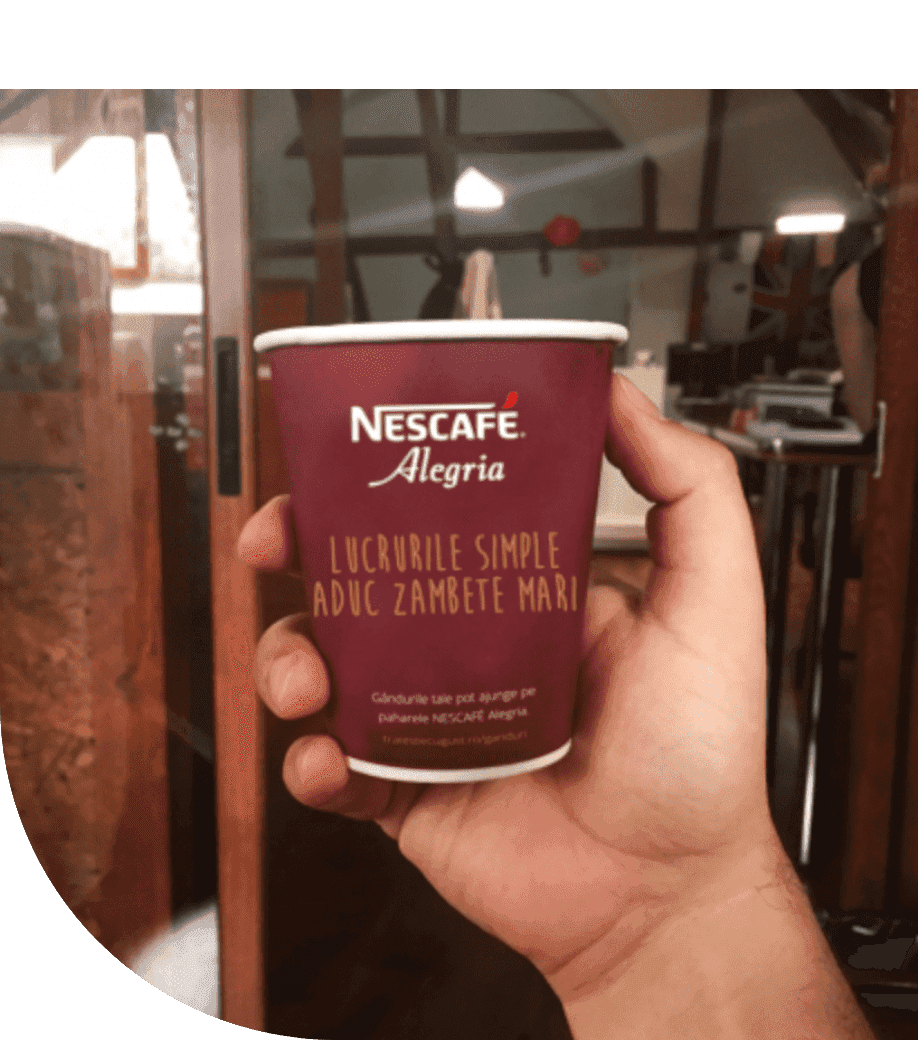
NESCAFÉ Alegria (Nestlé Romania) · Consumer Brands & Retail
17M coffee cups carrying #goodthoughts messages
NESCAFÉ Alegria: #goodthoughts campaign put fan messages on 17 million coffee cups
Read the case study →